Rotating equipment
One hub for the rotating asset that matters.
Pumps, fans, compressors, gearboxes: the same external sensors, the same review process, configured per asset. Readings, trends and history in one platform.

- 1VibrationNormal
- 2Head tempSteady
- HealthNo action needed
Every rotating asset changes in its own way.
Pumps and motors
Bearing housings on the drive and the pump; current at the motor supply.
Fans and air handlers
Fan bearings, belt drives and motors; runtime against schedule.
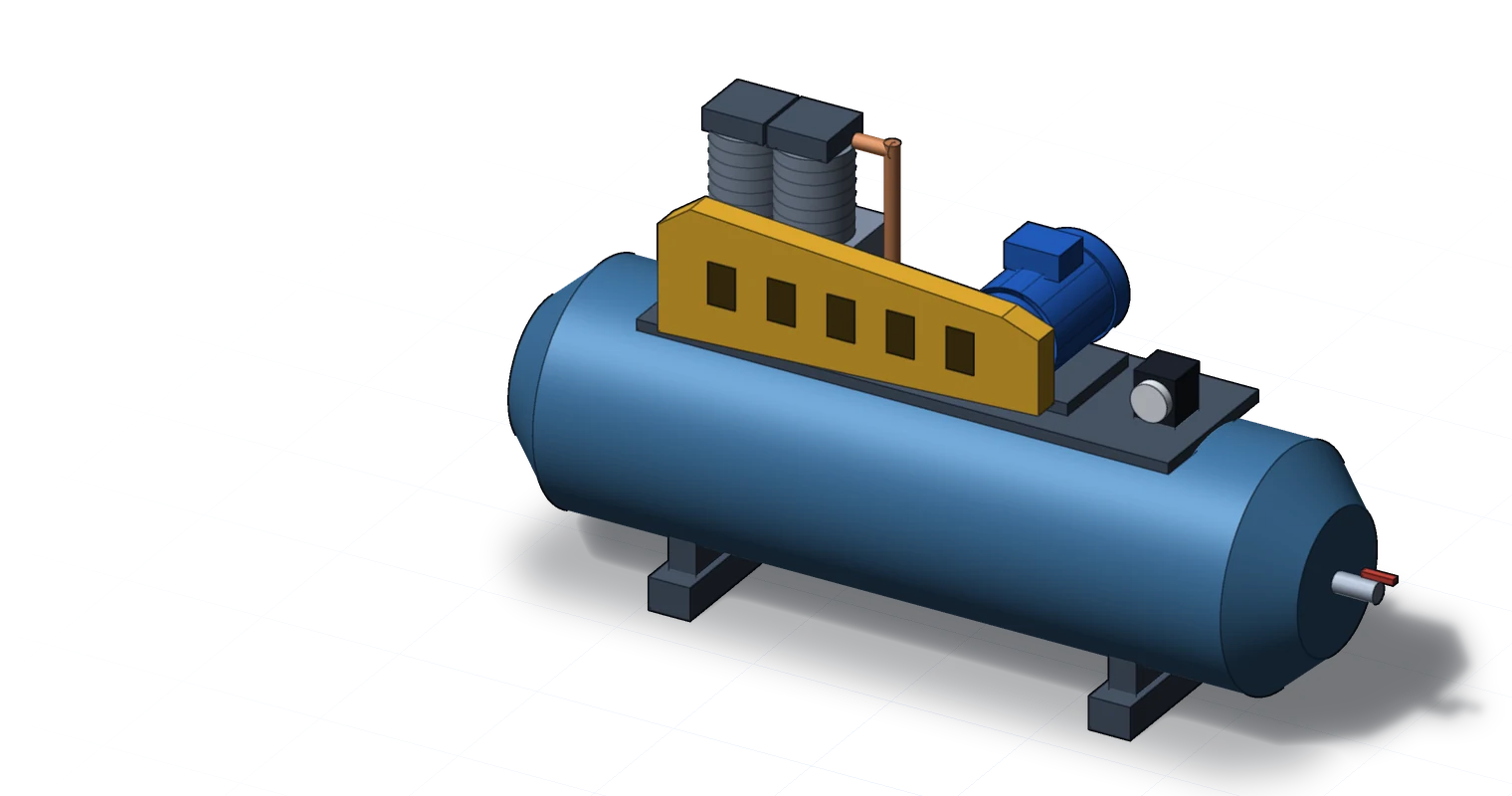
Compressors
Pump-block vibration, motor temperature, cycling and runtime.
Gearboxes
Housing vibration and temperature under load.
How it works
Three steps: pilot, review, expand.
Pick the asset
The one whose change you would want to know about.
Configure per asset
Sensors, placement and conditions agreed for that machine.
Review together
Trends and notifications on an agreed cadence.
What you get
An asset that knows itself — and a team that hears about it first.
Readings, trends and history your team can review; a notice when something needs a look; one record per machine.
One hub, any configuration
Each hub: 8 sensor leads of any mix + 3 CT clamps for three-phase current + internal sensors. A light per sensor; wireless backhaul.
History per asset
Readings and findings stay with the machine.
Reports
What changed, what was done, by asset.
What this is worth to you
Run efficiently. Plan the work. Stop paying for surprises.
The value is the stop that did not happen, the part that was not replaced for nothing, and the energy that stopped leaking. The full story — hub, platform, installation and the pilot plan — is on the IoT Octopus page.
Start with a small pilot
A few critical assets, installed by our team, reviewed with yours. When the value is clear: the first site, then the rest.
Start a pilotBuilt for industrial reliability
Proprietary hardware and software, developed in Kitchener, Ontario.
Built on Google Cloud with per-customer data isolation. In commercial industrial use. Invented, designed and made in Canada.
Applications and resultsExternal sensors
Vibration and temperature sensors mount on accessible surfaces; current clamps need electrical access by qualified personnel.
Review together
Readings, trends and notifications reviewed with your team on an agreed cadence.
Questions
Answered plainly.
Can one hub cover several machines?
Yes, where the machines are close together. A hub serves the sensors connected to it — often one critical set of components, such as a motor, gearbox and pump, or a few neighbouring machines. One hub per asset is an example, not a rule; the configuration is agreed per application.
How do we start?
With a small pilot on a few critical assets. We agree the configuration, review the readings with your team on an agreed cadence, and expand to the next assets and sites once the value is clear.
How is our data secured, and where is it stored?
Equipment data is encrypted in transit and at rest with per-customer isolation, on a platform built on Google Cloud using the most modern data-security protocols. Data residency is agreed with each customer. See the security page.
Does it predict when a failure will happen?
No. Monitoring helps people review changes over time against the asset's own history. A trend may support investigation; it does not establish a diagnosis or guarantee when a failure will occur.
Next step
Discuss your rotating equipment.
Tell us the equipment and the question. We reply within one business day to find a time for a 20-minute demo on your kind of assets.
Prefer the full form? Go to Contact. Existing customer? Customer Login.