Manufacturing
Know which plant assets need a closer look.
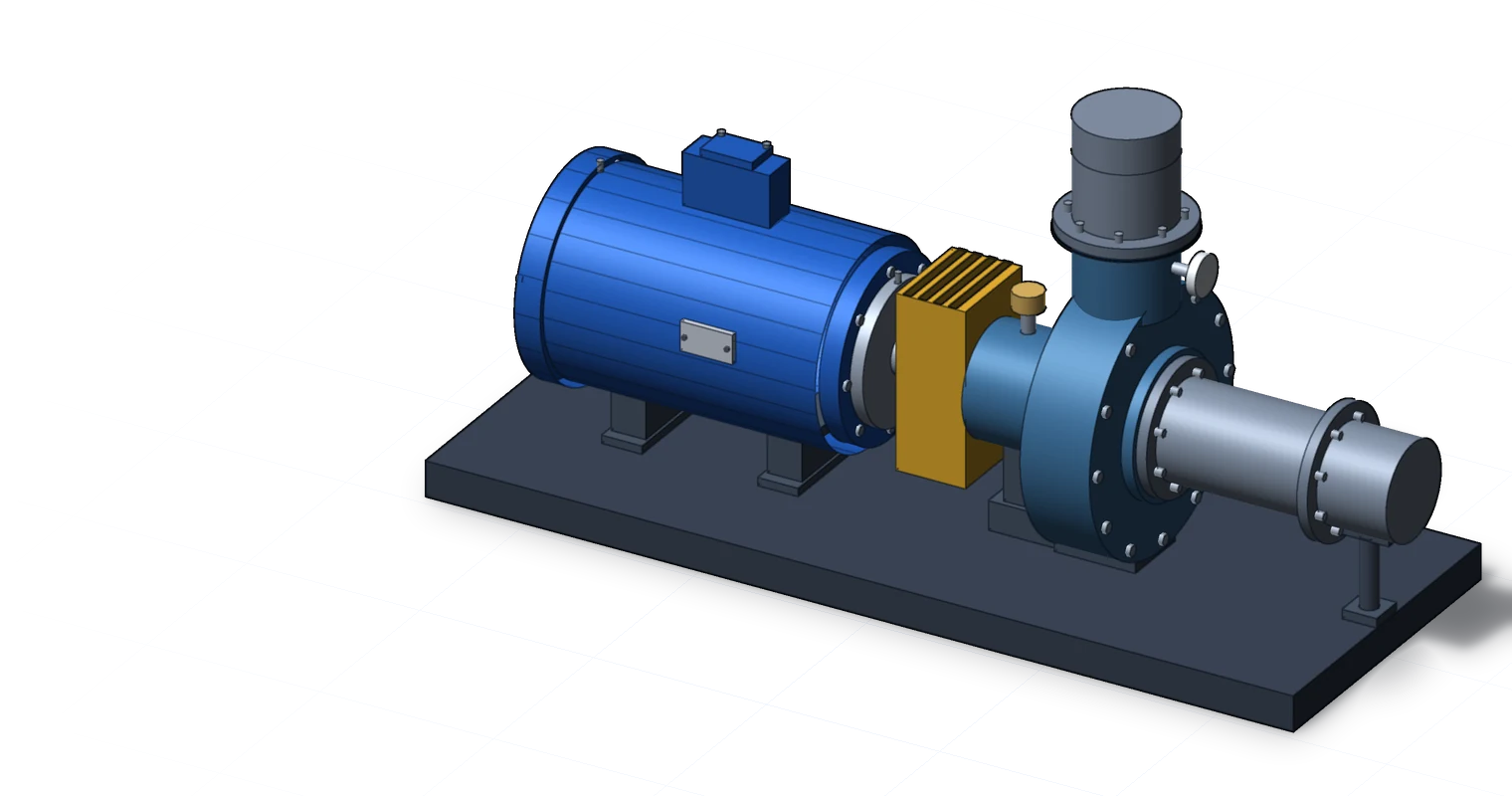
Pumps, drive motors, compressors and support equipment monitored with the same hub and reviewed together on one status wall. Start with a small pilot on the assets that matter most; expand once the value is clear.

- 1HealthSteady
- 2EnergyOn target
- Team2 notices this week
In a plant, the machine that changes is rarely the one you were watching.
Mixed equipment, mixed ages
External sensors on accessible surfaces work on older units with no instrumentation and on modern drives alike, subject to suitability review.
One review, not six dashboards
A status wall shows what changed across the assets you chose.
History per asset
Findings and work recorded with each machine.
Pilot, then expand
A few critical assets first, then the next assets and sites.
How it works
Three steps: pilot, review, expand.
Choose the pilot assets
The few whose changes matter most.
Agree the configuration per asset
Sensors, placement, notification conditions.
Review across the plant
Status wall, asset pages, notifications and reports.
What you get
An asset that knows itself — and a team that hears about it first.
Readings, trends and history your team can review; a notice when something needs a look; one record per machine.
Same hub, any configuration
Each hub: 8 sensor leads of any mix + 3 CT clamps for three-phase current + internal sensors. Configured per machine.
Plant-level review
Status wall and reports on an agreed cadence.
Records
Readings and findings with each asset; OctoVault for records.
What this is worth to you
Run efficiently. Plan the work. Stop paying for surprises.
The value is the stop that did not happen, the part that was not replaced for nothing, and the energy that stopped leaking. The full story — hub, platform, installation and the pilot plan — is on the IoT Octopus page.
Start with a small pilot
A few critical assets, installed by our team, reviewed with yours. When the value is clear: the first site, then the rest.
Start a pilotBuilt for industrial reliability
Proprietary hardware and software, developed in Kitchener, Ontario.
Built on Google Cloud with per-customer data isolation. In commercial industrial use. Invented, designed and made in Canada.
Applications and resultsExternal sensors
Vibration and temperature sensors mount on accessible surfaces; current clamps need electrical access by qualified personnel.
Review together
Readings, trends and notifications reviewed with your team on an agreed cadence.
Questions
Answered plainly.
Can IoT Octopus read our PLCs and VFDs?
Supported inputs, protocols and interfaces are confirmed per application and current release. Ask us about your specific equipment; we will not assume an integration exists.
How do we start?
With a small pilot on a few critical assets. We agree the configuration, review the readings with your team on an agreed cadence, and expand to the next assets and sites once the value is clear.
How is our data secured, and where is it stored?
Equipment data is encrypted in transit and at rest with per-customer isolation, on a platform built on Google Cloud using the most modern data-security protocols. Data residency is agreed with each customer. See the security page.
Does it predict when a failure will happen?
No. Monitoring helps people review changes over time against the asset's own history. A trend may support investigation; it does not establish a diagnosis or guarantee when a failure will occur.
Next step
Book a plant demo.
Tell us the equipment and the question. We reply within one business day to find a time for a 20-minute demo on your kind of assets.
Prefer the full form? Go to Contact. Existing customer? Customer Login.