
Energy monitoring
Understand equipment energy use with the right measurements.
An appropriate metering setup can help your team review power and energy use for selected equipment. Define the measurement boundary, installation and reporting approach before comparing results.
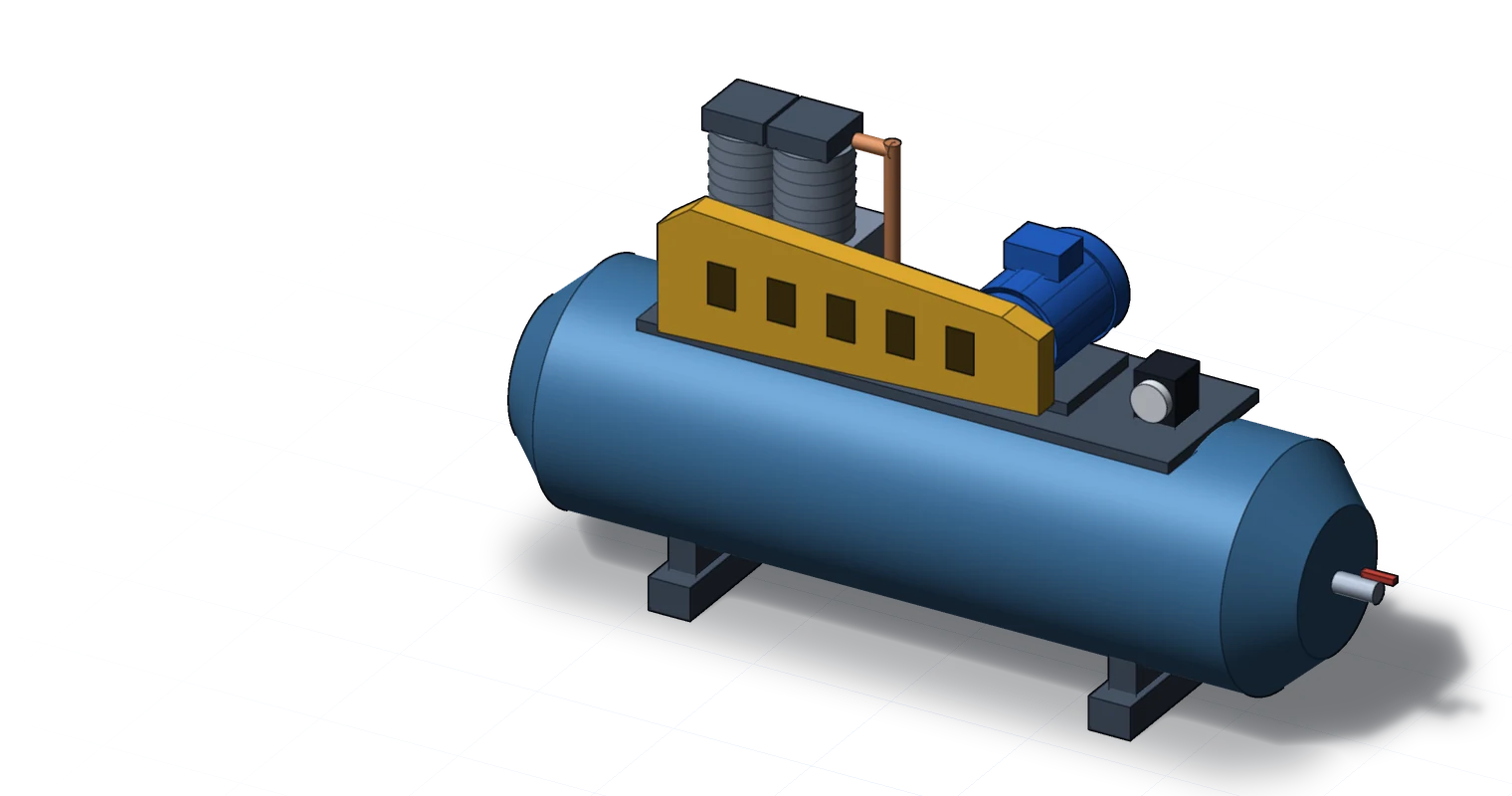

- 1EnergyIdle 14% · review
- 2RuntimeCycling normal
- This monthkWh by shift
Current, power and energy answer different questions.
Current is one measurement
A clamp on the supply shows operating pattern and changes in load. It does not on its own report true kW or kWh.
Power and energy need configured metering
Reporting true power or energy requires voltage and current measurement for the agreed boundary. We confirm the required inputs and metering approach for the application.
Compare like with like
Operating hours, load and production conditions affect a comparison. Agree the baseline and review period so any change is interpreted in context.
Overnight running is not automatically waste
Pools, refrigeration and other systems may legitimately run outside public hours. Monitoring shows when; the site decides whether it should.
How it works
Three steps: pilot, review, expand.
Define the measurement boundary
Which asset or panel, and what question the number must answer.
Agree the metering setup
Inputs, installation by qualified personnel, and the reporting approach.
Review patterns over time
Runtime and energy by asset, by shift, against agreed baselines.
What you get
An asset that knows itself — and a team that hears about it first.
Readings, trends and history your team can review; a notice when something needs a look; one record per machine.
Energy by asset
With configured metering: power and energy for the agreed boundary, not just the site total.
Runtime and load patterns
When equipment runs and how load changes — from current where metering is not configured.
Reports on an agreed cadence
Monthly or as agreed, with the assumptions stated.
No achieved savings, payback periods, metering accuracy classes or guaranteed reductions are claimed here. Those depend on the application and the evidence collected for it.
From a reading to a decision
Measure. Understand. Act. Compare.
How an energy question moves from a number to a decision. An illustrative sequence, not a result.
The asset, not the site
Power and energy for the agreed boundary — a compressor, an air handler, a pump set — not just the site total.
When, how hard, and why
Runtime, load and schedule beside the number: when it ran, how hard, and whether anything needed it then.
Your team decides
A schedule change, a repair, a setpoint, a leak fixed — chosen by your team, not by the platform.
Like with like
A follow-up period under comparable conditions shows whether the change made a difference.
Some equipment legitimately runs overnight; monitoring shows when it runs, the site decides whether it should. Savings are reported only from your own measured follow-up.
Built for industrial reliability
Proprietary hardware and software, developed in Kitchener, Ontario.
Built on Google Cloud with per-customer data isolation. In commercial industrial use. Invented, designed and made in Canada.
Applications and resultsExternal sensors
Vibration and temperature sensors mount on accessible surfaces; current clamps need electrical access by qualified personnel.
Review together
Readings, trends and notifications reviewed with your team on an agreed cadence.
Questions
Answered plainly.
Will monitoring save energy by itself?
No. Installing sensors does not save energy. Savings require an agreed action — a schedule change, a repair, a setpoint — and evaluation under comparable conditions.
How do we start?
With a small pilot on a few critical assets. We agree the configuration, review the readings with your team on an agreed cadence, and expand to the next assets and sites once the value is clear.
How is our data secured, and where is it stored?
Equipment data is encrypted in transit and at rest with per-customer isolation, on a platform built on Google Cloud using the most modern data-security protocols. Data residency is agreed with each customer. See the security page.
Does it predict when a failure will happen?
No. Monitoring helps people review changes over time against the asset's own history. A trend may support investigation; it does not establish a diagnosis or guarantee when a failure will occur.
Next step
Discuss your metering requirements.
Tell us the equipment and the question. We reply within one business day to find a time for a 20-minute demo on your kind of assets.
Prefer the full form? Go to Contact. Existing customer? Customer Login.