
Condition monitoring
Review equipment changes before your next inspection.
IoT Octopus helps teams review selected measurements such as vibration, surface temperature and electrical current. Comparing readings over time can help identify changes worth investigating.
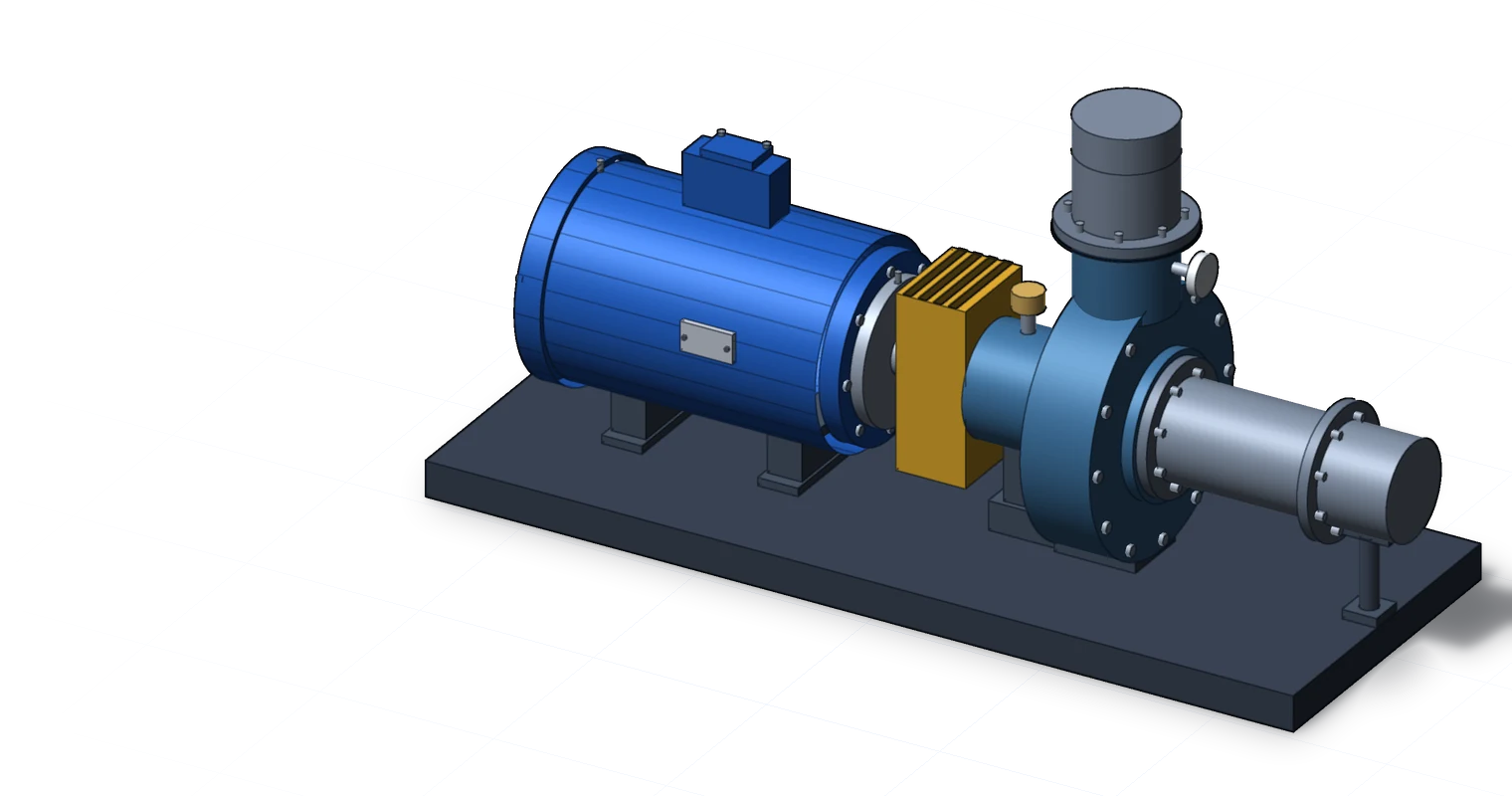

- 1HealthSteady
- 2Bearing tempWithin normal
- MaintenanceChange flagged · review
Define the question before the sensors.
Start with a specific machine and concern
The monitoring plan should explain what will be measured, how operating conditions affect the readings and who will review changes.
Compare with the asset's own history
A reading means more against the same machine's recent range than against a generic limit.
Support the maintenance decision
Use monitoring alongside inspection, maintenance history and operator knowledge. A trend may support investigation; it does not establish a diagnosis.
Keep the review human
The platform shows the change and the context. Your team decides what to do about it.
How it works
Three steps: pilot, review, expand.
Identify the asset and the question
Which machine, what could change, who needs to know.
Agree sensors and configuration
Placement, connectivity, notification conditions and reporting cadence.
Review readings together
Trends and notifications alongside inspection findings and history.
What you get
An asset that knows itself — and a team that hears about it first.
Readings, trends and history your team can review; a notice when something needs a look; one record per machine.
Trends per asset
Vibration, surface temperature and current over time, compared with the asset's recent range.
History that stays with the equipment
Findings and work recorded with the asset, for the next person who looks.
Notifications and health updates
The right people hear about a change that needs a look — dashboards, an app you can ask, periodic health updates — and close it with what was done.
What this is worth to you
Run efficiently. Plan the work. Stop paying for surprises.
The value is the stop that did not happen, the part that was not replaced for nothing, and the energy that stopped leaking. The full story — hub, platform, installation and the pilot plan — is on the IoT Octopus page.
Start with a small pilot
A few critical assets, installed by our team, reviewed with yours. When the value is clear: the first site, then the rest.
Start a pilotBuilt for industrial reliability
Proprietary hardware and software, developed in Kitchener, Ontario.
Built on Google Cloud with per-customer data isolation. In commercial industrial use. Invented, designed and made in Canada.
Applications and resultsExternal sensors
Vibration and temperature sensors mount on accessible surfaces; current clamps need electrical access by qualified personnel.
Review together
Readings, trends and notifications reviewed with your team on an agreed cadence.
Questions
Answered plainly.
What equipment suits condition monitoring?
Rotating equipment with accessible bearing housings and frames — motors, pumps, fans, compressors, gearboxes, conveyor drives — is the usual starting point. Suitability is assessed per application.
How do we start?
With a small pilot on a few critical assets. We agree the configuration, review the readings with your team on an agreed cadence, and expand to the next assets and sites once the value is clear.
How is our data secured, and where is it stored?
Equipment data is encrypted in transit and at rest with per-customer isolation, on a platform built on Google Cloud using the most modern data-security protocols. Data residency is agreed with each customer. See the security page.
Does it predict when a failure will happen?
No. Monitoring helps people review changes over time against the asset's own history. A trend may support investigation; it does not establish a diagnosis or guarantee when a failure will occur.
Next step
Discuss a monitoring setup.
Tell us the equipment and the question. We reply within one business day to find a time for a 20-minute demo on your kind of assets.
Prefer the full form? Go to Contact. Existing customer? Customer Login.